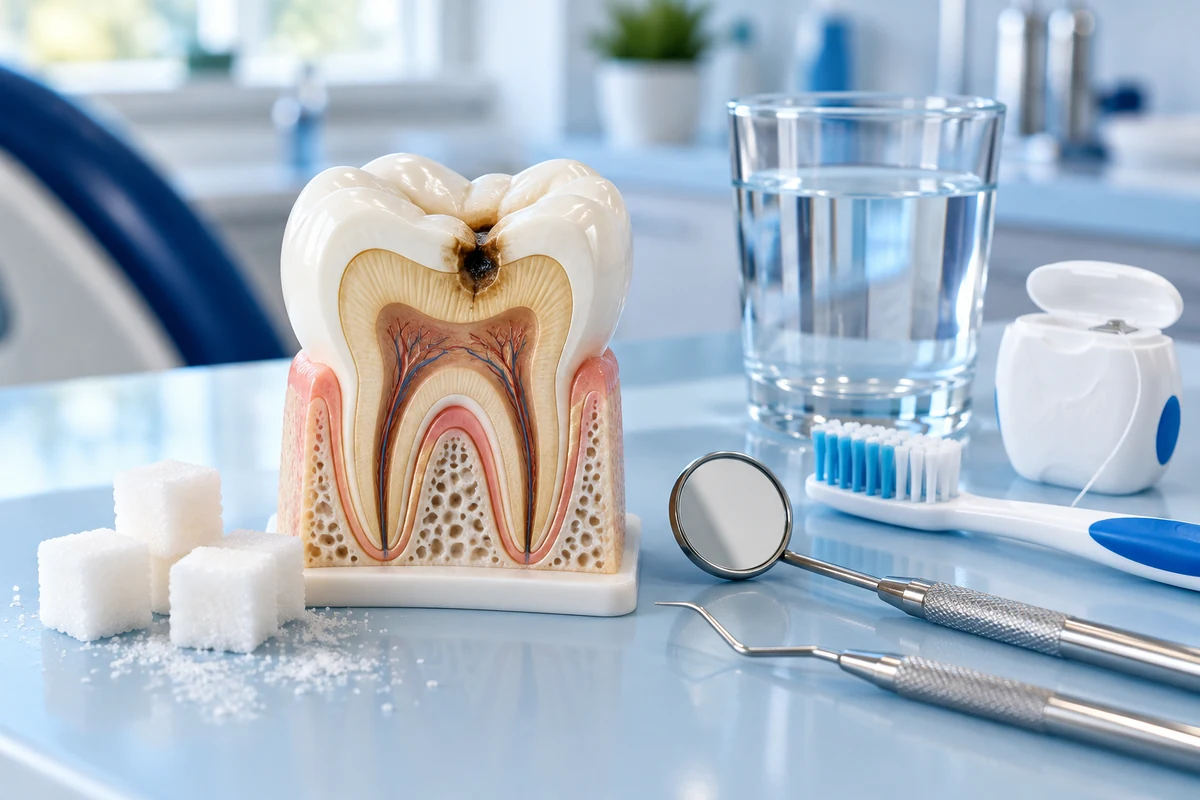

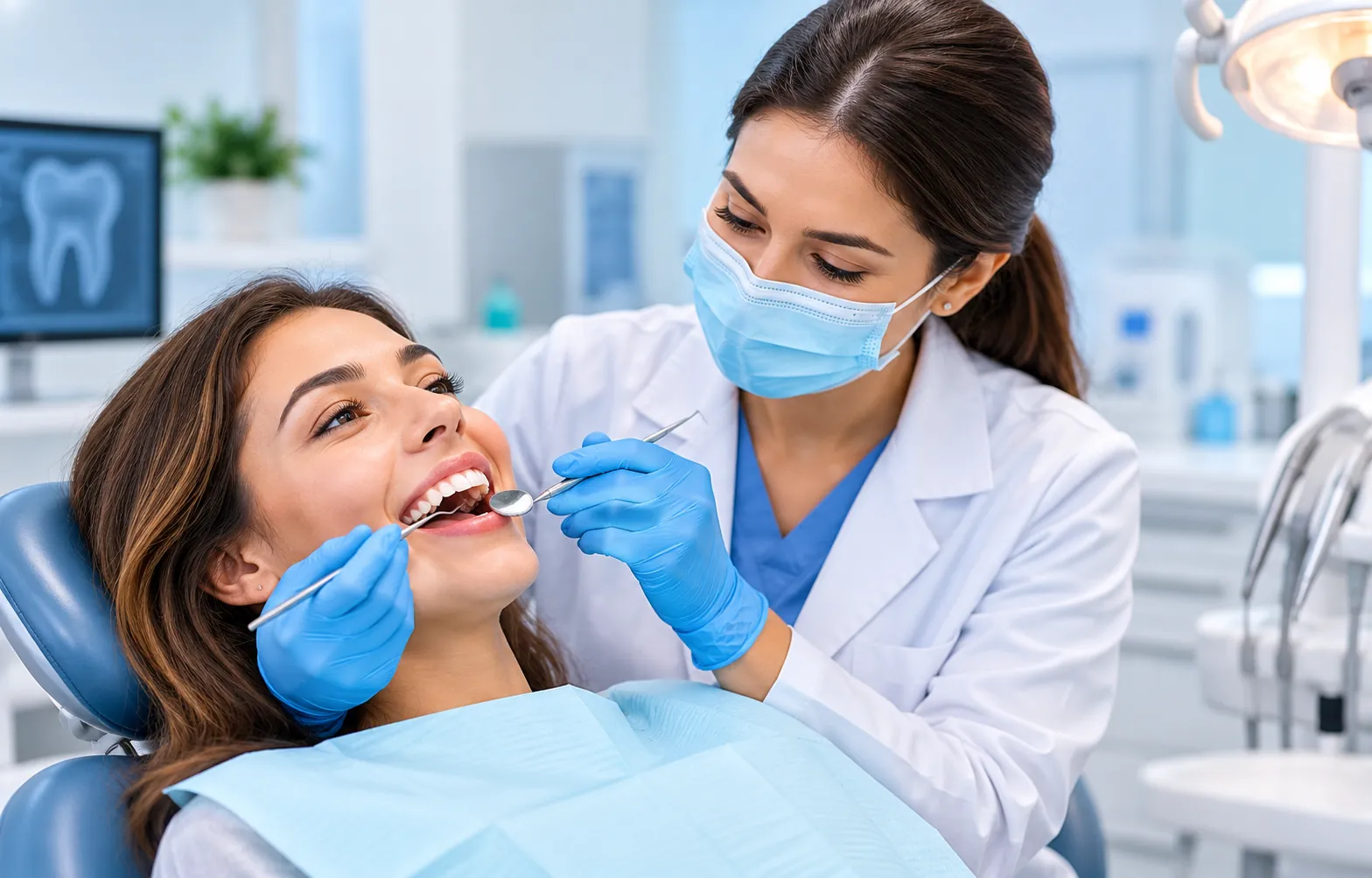
Most people hear that they should visit the dentist every six months. But does everyone need to follow that rule? Not necessarily. Your dental visit schedule depends on the health of your teeth and gums.
How often should you go to the dentist? For many people, a visit every six months is a good place to start. Some people need more frequent care, while others with healthy teeth may have longer gaps between appointments. Your dentist can recommend a schedule based on your oral health.
How Often Should You Get a Dental Checkup?
Many people schedule a dental checkup every 6 months. These visits give your dentist a chance to spot tooth decay and assess your gum health before problems become more serious.
The American Dental Association (ADA) recommends regular dental visits based on each patient’s needs. A fixed six-month schedule is not necessary for everyone.
Visit interval | Who may need it |
Every 3–4 months | Patients with periodontal disease or higher oral health risks |
Every 6 months | Many patients who need routine preventive care |
Every 9–12 months | Some patients with stable oral health and low cavity risk |
Longer than 12 months | Select low-risk adults, after a dentist’s assessment |
These intervals are examples, not fixed rules. The NICE dental recall guidelines in the UK allow up to 24 months between routine exams for select low-risk adults. Your dentist should assess your needs before recommending a longer interval.
Do You Need to Go to the Dentist Every 6 Months?
The six-month rule has been around for decades. It may suit many people, but your dental history matters more than a fixed date on the calendar.
Someone who rarely develops cavities may need fewer exams than a person with frequent tooth decay. Your dentist uses an individual risk assessment to set your dental recall interval.
- Cavity history: People with repeated cavities may need more frequent exams.
- Gum health: Inflamed gums or periodontal disease may require extra care.
- Daily oral care: Your brushing and flossing habits can affect plaque buildup.
- Medical history: Certain health conditions can increase oral health risks.
Your schedule may change over time. If your gums become healthier or your cavity risk decreases, your dentist may suggest longer intervals.
How Often Should Adults Go to the Dentist?
For adults with healthy teeth, six-month dental visits are common. Yet some people may have exams every nine to twelve months if their dentist recommends that interval after an oral health assessment.
Adults With Healthy Teeth and Gums
People who rarely develop cavities and have healthy gums may qualify for longer gaps between routine exams.
Still, healthy teeth do not mean you should stop dental visits. A small cavity can develop without pain, and early gum disease may cause few symptoms.
Adults With Frequent Dental Problems
If you often develop cavities, your dentist may recommend more frequent exams. These preventive dental exams support early detection of decay before it becomes more severe.
Some patients may also need dental fillings to repair teeth damaged by cavities. Early treatment can help preserve healthy tooth structure.
People with a history of gum disease may need additional appointments to protect the tissues around their teeth.
How Often Should Children Go to the Dentist?
Children should visit a dentist within six months of their first tooth’s appearance or by their first birthday, whichever comes first. The American Academy of Pediatric Dentistry recommends this early visit to help parents address oral health concerns.
Afterward, many children benefit from dental exams every six months. Your child’s dentist may suggest a different schedule based on cavity risk and tooth development.
Regular appointments help assess:
- Tooth development: The dentist checks how baby teeth and permanent teeth develop.
- Cavity risk: Early exams help identify areas that may develop decay.
- Bite alignment: The dentist checks how the upper and lower teeth fit together.
- Preventive care: Some children may benefit from fluoride treatments or dental sealants.
Parents should also help children brush twice daily with an age-appropriate amount of fluoride toothpaste.
Who Needs More Frequent Dental Checkups?
Some people need dental care more often because their oral health risks are higher. Your dentist may recommend additional appointments if you have an active dental problem.
People With Gum Disease
Gum disease affects the tissues that support your teeth. Early symptoms may include swollen gums or blood when you brush.
People with periodontal disease often need periodontal maintenance visits every three to four months after treatment. The exact interval depends on the severity of the condition and how well the gums respond.
If you have persistent gum problems, periodontal disease treatment may help control the disease and protect your oral health.
People With Frequent Cavities
Some adults develop cavities despite regular home care. Dry mouth can increase this risk because saliva helps protect teeth from harmful acids.
Your dentist may suggest more frequent exams if you have a history of repeated cavities. Preventive treatments may also help reduce your risk.
People With Diabetes
Diabetes can increase the risk of gum disease, especially when blood sugar levels are poorly controlled. Your dentist may recommend more frequent appointments if you show signs of periodontal problems.
People Who Use Tobacco
Tobacco use increases the risk of gum disease and oral cancer. Regular oral exams allow your dentist to check for changes that may require further assessment.
How Often Should You Get Your Teeth Cleaned?
Many patients have professional teeth cleanings every six months. Yet the ideal interval depends on your gum health and overall risk of dental disease.
Daily dental hygiene helps remove dental plaque, but some deposits remain in places your toothbrush cannot reach. Over time, plaque can harden into tartar. These hardened deposits require professional dental care for safe removal.
Anyone with healthy gums may need routine cleanings, while patients with periodontal disease may require more frequent maintenance.
Are Dental Exams and Teeth Cleanings Different?
Yes, these services have different purposes.
During a dental exam, your dentist checks for cavities and other oral health problems. Professional cleaning provides plaque removal and clears tartar from your teeth. You may receive both services at the same appointment, but their recommended intervals are not always identical.
What Happens During a Dental Checkup?
A routine dental checkup usually includes an oral examination and a review of your dental health history. Your dentist may recommend additional care based on what they find.
Dental Examination
Your dentist checks your teeth for decay and looks at the condition of your gums. They may also examine your tongue and other oral tissues for unusual changes as part of an oral cancer screening.
Dental X-Rays
Dental X-rays can reveal problems that are difficult to see during a visual exam. Your dentist decides when X-rays are necessary based on your exam results and health history. They also consider any prior X-rays.
You do not automatically need X-rays at every appointment.
Professional Teeth Cleaning
If appropriate, a dentist or dental hygienist removes plaque and tartar from your teeth. They may also polish your teeth and provide advice on home care.
Before you leave, ask when your next appointment should be. Your dentist can explain why that interval suits your oral health.
Signs You Need to See a Dentist
Do not wait for your next routine appointment if you notice a dental problem. Some conditions can become worse without treatment.
Contact a dentist if you experience:
- Persistent toothache: Pain that continues or returns may suggest decay or another dental problem.
- Bleeding gums: Frequent blood when you brush may indicate gum inflammation.
- Tooth sensitivity: New sensitivity to hot or cold foods may need an examination.
- Swollen gums: Gum swelling can indicate inflammation or infection.
- Loose adult teeth: Tooth movement may suggest a problem with the tissues that support your teeth.
- Persistent bad breath: An ongoing odor may have an oral health cause that needs treatment.
A broken tooth or lost filling may also require prompt attention. In some cases, root canal treatment may be necessary if the tissue inside a tooth becomes infected or inflamed.
Seek emergency medical care immediately if you experience difficulty breathing or swallowing, or severe or rapidly worsening swelling of your face, mouth, or neck.
How Long Can You Go Without Seeing a Dentist?
Many people delay dental appointments because they have no pain. Others may feel nervous about dental treatment.
The problem is that oral disease does not always cause obvious symptoms. Cavities can develop slowly, and gum disease may progress without much discomfort.
If you have not visited a dentist for several years, start with an examination. Your dentist can assess your oral health and recommend any necessary care.
Some people may need treatment after a long gap. Others may have few dental problems despite missing routine appointments.
If dental anxiety has kept you away, ask your dentist about sedation dentistry and whether an available option may suit your needs.
How to Keep Your Teeth Healthy Between Dental Visits
Your daily habits play a major role in your oral health. Even with regular dental visits and good home care, plaque continues to form on your teeth.
You can help protect your teeth with these habits:
- Brush twice daily: Use fluoride toothpaste and brush for two minutes.
- Clean between your teeth: Floss or use another interdental cleaner each day.
- Limit sugary snacks: Frequent sugar exposure can increase cavity risk.
- Drink water regularly: Water helps clear food particles and keeps your mouth moist.
- Watch for unusual symptoms: Contact your dentist if you notice pain or changes in your gums.
The ADA’s home oral care guidance also supports twice-daily brushing and daily cleaning between teeth.
Read more dental health tips for practical advice on daily oral care.
Schedule a Dental Checkup in Toms River, NJ
Your next dental visit should depend on your oral health, not just the calendar. If you have missed your routine appointment or have concerns about your teeth, a dental examination can help you decide what care you need.
Sun Dental provides preventive dental care and routine exams in Toms River, New Jersey. The practice serves patients who want to maintain healthy teeth and address dental concerns.
Patients from Brick and Beachwood can visit the office at 224 Rte 37E, Toms River, NJ 08753.
You can request an appointment with a general dentist in Toms River, NJ, to discuss your oral health and recommended visit schedule.
Frequently Asked Questions
1. Is It Okay to Visit the Dentist Once a Year?
Yes, annual dental exams may be appropriate for some adults with healthy teeth and a low risk of dental disease. Your dentist should assess your oral health before recommending this interval.
2. How Often Should You Go to the Dentist If You Have Healthy Teeth?
Many people with healthy teeth benefit from visits every six to twelve months. Some low-risk adults may need fewer exams, depending on their dentist’s recommendation.
3. Can You Go to the Dentist Every Three Months?
Yes, some people with periodontal disease or other oral health risks need appointments every three months. Your dentist can recommend the proper interval based on your condition.
4. How Often Do You Need Dental X-Rays?
The frequency depends on your age and dental history. People with frequent cavities may need X-rays more often than patients with a low risk of dental disease.
5. Should You Visit the Dentist If Nothing Hurts?
Yes, you should still have routine dental exams. Early tooth decay and gum disease may cause few symptoms, so an examination can help identify problems before they become more severe.